Endometriosis and Fertility: What the New Science Means for Your Chances

Endometriosis and fertility used to be explained in one tidy sentence: tissue like the womb lining growing where it shouldn’t. That sentence is why so many women were told their pain was “just bad periods”, why diagnosis still takes the best part of a decade, and why the fertility conversation so often ended with “let’s see what the laparoscopy shows”.
The science has moved on, mostly in the last five years. Endometriosis is now understood as a whole-body condition, driven by an immune system that feeds the disease, lesions that rewire their own metabolism, and a nervous system that learns pain. For anyone trying to conceive, that shift explains things the old story never could: why mild disease can matter as much as severe disease, why both egg quality and the womb lining are involved, why miscarriage is more common after natural conception but not after IVF, and why some long-standing treatments turned out not to help.
This is the guide every woman deserves before her first appointment. The short version is right here; the rest is the same thing, slowed down.
Quick take · screenshot this
Endometriosis & fertility in 60 seconds
- It’s a whole-body condition, not just “tissue in the wrong place”. Immune cells feed the lesions and the nervous system learns the pain.
- Backwards periods happen to most women. About 1 in 10 develop endometriosis, and roughly half of that risk is inherited.
- Diagnosis no longer needs surgery. Expert ultrasound or MRI comes first. A normal scan does not rule it out.
- Natural fertility is roughly halved, mainly under 35. Even so, 83% of women with endometriosis in a large US study had a child by 40.
- IVF works well: fewer eggs and slightly lower implantation, but live-birth rates close to other diagnoses.
- Miscarriage risk is about 1.5× higher after natural conception and largely disappears after IVF, unless adenomyosis is also present.
- Hormonal treatments control pain but do not improve fertility. No diet or supplement has been shown to improve pregnancy rates either.
Everything below is simply this, explained.
What is endometriosis? Types, stages and how it’s diagnosed now

Endometriosis affects about 1 in 10 women of reproductive age, around 190 million people worldwide (WHO, 2025). Tissue resembling the womb lining grows outside the womb: on the pelvic lining, the ovaries, the ligaments behind the uterus, sometimes the bowel or bladder. Like the womb lining, it responds to oestrogen. Unlike the womb lining, it has nowhere to go when it bleeds.
Three things about it are routinely misunderstood, and each one matters for fertility.
What a pathologist actually sees. Under the microscope, endometriosis is tissue that looks like the womb lining (glands, the supporting cells around them called stroma, or both) growing outside the womb, almost always with inflammation around it. Since 2021 that has been the official international definition (Tomassetti et al., 2021). The words “looks like” are doing real work there. These are not simply normal cells in the wrong place: they are altered cells that have learned to survive where they shouldn’t, as the next sections explain.
It comes in three forms, and they may be three different diseases. Superficial spots on the pelvic lining; ovarian “chocolate cysts” (endometriomas); and deep nodules, often involving the bowel. They look different, behave differently, and the genetic signal is strongest for the ovarian form.
Your “stage” describes anatomy, not how much it hurts or how fertile you are. The I–IV system scores what a surgeon sees. In over a thousand women, the link between stage and pain was “marginal and inconsistent” (Vercellini et al., 2007). Stage I is not trivial. Stage IV is not a verdict.
You no longer need keyhole surgery to be diagnosed. The 2022 European guideline says plainly that “laparoscopy is no longer the diagnostic gold standard” and puts ultrasound or MRI first (Becker et al., 2022). NICE followed in 2024. The caveat is real: a normal scan does not exclude superficial disease. A saliva test validated in 2025 is being trialled in NHS primary care, but its accuracy outside specialist clinics is unknown. Even now, the average wait for a diagnosis in the UK is over nine years (Endometriosis UK, 2026). If your symptoms have been dismissed, that is a system failure, not proof that nothing is wrong. (For the tests that belong in a first fertility work-up, see when to start fertility testing.)
Why does endometriosis happen? A century of theories in five minutes
In 1927 John Sampson proposed that period blood flows backwards through the fallopian tubes and seeds the pelvis with living cells (Sampson, 1927). A hundred years on, “retrograde menstruation” is still the starting point, and still what patients are told. It has a problem, though. When surgeons looked into the pelvis during periods, they found blood in 90% of women with open tubes, whether or not they had endometriosis (Halme et al., 1984). Backwards periods are common. Endometriosis affects one in ten. Something else decides who develops it.
Other theories came and went: pelvic lining cells transforming, embryonic remnants, stem cells from the bone marrow. Each explains a corner of the picture. By 2020 the field had settled on a more honest answer. Endometriosis is multifactorial: a seeding event, plus inherited susceptibility, plus an immune system that fails to clear the cells, plus a hormonal environment that lets them thrive (Zondervan et al., 2020).
Three findings pushed the story from “plumbing” to “biology”:
- It runs in families. Twin studies put the inherited share of risk at 47% (Saha et al., 2015). A 2026 study of 1.4 million women found 80 risk regions, many acting on nerve growth and pain, and shared with migraine, chronic pain and asthma (Koller et al., 2026). That is why so many women with endometriosis also have migraine: the genes overlap.
- Lesions carry “cancer-type” mutations without being cancer. Sequencing found them in 79% of deep lesions (Anglesio et al., 2017). The reassuring part: normal womb lining carries the same mutations. They help lesions survive and invade, not turn malignant.
- It affects the whole body. The 2021 Lancet review is titled “Endometriosis is a chronic systemic disease”, with altered metabolism in the liver and fat tissue, body-wide inflammation and changed gene expression in the brain (Taylor et al., 2021). The label is no longer controversial.
Twenty years ago the interesting question was where the cells come from. Today it is why the pelvis nourishes what it should clear. That question has two answers: immune and metabolic.
Endometriosis risk factors: what matters, what doesn’t
This question carries so much guilt that it deserves a plain answer: nothing you ate, drank or did is proven to cause endometriosis, and nothing is proven to prevent it. Much of the risk is set long before you make a single lifestyle choice.
Genes carry about half of it. There is still no useful genetic test, so if you have daughters, tell them your history: their pain deserves to be taken seriously sooner.
Your cycle leaves clues. Short cycles and an early first period mean more menstrual flow over a lifetime, and modestly higher risk (Wei et al., 2016; Lu et al., 2023). Severe period pain as a teenager is an early sign, not a cause.
Pregnancy and breastfeeding are linked to lower risk (Missmer et al., 2004; Youseflu et al., 2022), though part of that link runs backwards: hidden endometriosis makes pregnancy harder.
Two beliefs worth correcting. The pill masks pain and delays diagnosis; it has never been shown to prevent endometriosis (Vercellini et al., 2011). And being slim did not cause it: genetic studies find no causal effect of body weight (Venkatesh et al., 2022).
Lifestyle and environment: links, not causes. An umbrella review of 40 environmental factors in over five million women found none with convincing evidence (Zhang and Ma, 2021). A healthy eating pattern was linked to 13% lower risk and a “Western” one to 27% higher (Dougan et al., 2024); smoking shows no link (Bravi et al., 2014). One finding deserves a gentle mention: physical or sexual abuse in childhood is linked to higher risk (Harris, Wieser et al., 2018), possibly through the way the nervous system learns pain. If that is part of your story, you deserve care that understands it.
Endometriosis and the immune system: a pelvis that feeds what it should clear
If backwards periods are near-universal, the immune system’s job is to mop them up. In endometriosis it doesn’t. Worse, it helps.
Macrophages are the gardeners. The most common immune cells in lesions, they feed lesion growth, grow blood vessels and wire in new nerve fibres, and oestrogen keeps that conversation going. Which ones arrive matters: those carried in with the shed lining promote disease, fresh ones from the blood suppress it (Hogg et al., 2021). The goal is shifting from suppressing the immune system to re-programming it.
Natural killer cells are switched off. These cells should destroy stray endometrial cells. In endometriosis they carry more “off” receptors and fewer “on” receptors. Their numbers in pelvic fluid are normal; their function fails (Adamyan et al., 2026). It is a won’t, not a can’t.
The pelvic fluid is hostile. It carries more inflammatory messengers and reactive oxygen, and it bathes the ovaries and the open ends of the tubes. At ovulation the egg is released into this fluid before the tube catches it, and some of the fluid seeps into the tube where egg and sperm meet. In the laboratory, this fluid disrupts the scaffold that sorts chromosomes in the egg. That may be one reason natural conception is less efficient with endometriosis, while IVF, where egg and sperm meet in the lab, bypasses it.
Clinical note: is endometriosis an autoimmune disease?
No, and the distinction matters. There is no antibody that causes it and it doesn’t respond to classical immunosuppression. The right phrase is immune-dysregulated. But women with endometriosis are more likely to be diagnosed with autoimmune conditions: roughly 1.4 to 2 times for lupus, rheumatoid arthritis and Sjögren’s, and more for coeliac disease (Shigesi et al., 2019; Aziz et al., 2025). Practical translation: persistent fatigue, joint pain, dry eyes and mouth, thyroid or gut symptoms deserve their own work-up rather than being filed under “the endo”.
And the nerves? Because lesions grow their own nerves and the nervous system learns the pain, pain can persist after every visible lesion has been removed. It is not “in your head”. It is, quite literally, in your nervous system.
Endometriosis as a metabolic condition: sugar-burning lesions, iron and progesterone resistance
This is the part of the science that has changed most, and the part patients hear least about.
Lesions run a cancer-like metabolism. They burn glucose without oxygen, the way tumours do, which fuels invasion and blood-vessel growth. A cheap, repurposed drug, dichloroacetate, reversed this in the dish and shrank lesions in mice (Horne et al., 2019). The honest status: a 30-woman feasibility study in 2025, some temporary nerve side effects, and no placebo-controlled trial yet (Whitaker et al., 2025). Nobody should be buying it online, but a non-hormonal, metabolic treatment is finally being tested properly.
Endometriomas are iron-saturated. Free iron inside a chocolate cyst runs at more than a thousand times the level in other ovarian cysts, and the oxidative stress it creates harms the cells that nurse the egg (Ni et al., 2022). That is why women with endometriomas produce fewer eggs that mature less reliably. It does not make embryos more often chromosomally abnormal (more on that below).
The tissue makes its own oestrogen and ignores progesterone. Lesions contain the enzyme that manufactures oestrogen locally, even when blood levels are normal, and they lack the progesterone receptor that should switch it off (Bulun et al., 2019). This “progesterone resistance” is the molecular heart of the disease. It also spills into the womb lining itself, which becomes a little less receptive to an embryo. Not unreceptive. A little less. We’ll put a number on that shortly.
The heart. In a Danish registry of 60,000 women, heart-attack risk was about a third higher over 16 years, though overall mortality was actually lower (Havers-Borgersen et al., 2024). The absolute risk at reproductive age is low. This is a reason for ordinary heart-health habits across your life, not alarm. And the gut? We cover the gut–endometriosis connection separately: the mouse evidence is compelling, the human evidence still small and inconsistent.
Endometriosis and not sure what your next step is?
A video consultation with Dr Helena Cepparo goes through your history and results and works out what’s worth doing in your case, with a functional approach. If scans, tests or treatment follow, she arranges them herself in central London. One doctor, from your first question onwards.
Can you get pregnant naturally with endometriosis?
Very often, yes. The figures usually quoted are that endometriosis is found in 25–50% of women investigated for infertility, that 30–50% of women with endometriosis struggle to conceive, and that the monthly chance of pregnancy is around 2–10% against 15–20% in unaffected couples (ASRM, 2012). Those are old, cross-sectional estimates. The best prospective data come from the Nurses’ Health Study, which followed 58,000 women. Confirmed endometriosis roughly doubled the risk of later infertility, but only in women under 35. After 35, age itself dominated. And the most reassuring statistic: 83% of women with endometriosis had a child by 40 (Prescott et al., 2016).
How does it interfere? Not in one place, but at four checkpoints on the way to a baby. That map also shows where treatment can help.
Surgery: helpful, but not the way it used to be sold
In the landmark trial, keyhole treatment of mild disease roughly doubled the monthly pregnancy rate, from 2.4 to 4.7 per 100 months (Marcoux et al., 1997). Cochrane pools this with later trials into a 1.9-fold improvement in viable pregnancy, with no trial ever reporting live birth (Bafort et al., 2020). In the UK, NICE recommends offering keyhole surgery to remove or destroy endometriosis and free adhesions when the bowel, bladder and ureters aren’t involved, because it improves the chance of natural pregnancy. Deep disease involving those organs is a case-by-case decision, weighing benefits and risks together (NICE, 2024). What guidelines no longer recommend is a laparoscopy just to look.
After surgery, ask for your Endometriosis Fertility Index (EFI). It scores your age, how long you’ve been trying, previous pregnancies, and how well your tubes and ovaries work at the end of the operation. It genuinely predicts natural pregnancy: around 60–70% within three years with a score of 9–10, versus 10–18% with a score of 0–4, where IVF sooner is wiser.
Endometriomas need care. The cyst itself already lowers AMH, and AMH falls 26% in six months with an untreated endometrioma versus 7% in healthy women (Kasapoglu et al., 2018). Stripping the cyst removes healthy ovary too, dropping AMH by about a further 1.1 ng/mL. NICE recommends offering surgery for endometriomas when you’re hoping to conceive naturally, either removing the cyst wall or draining and ablating it, but only after weighing the effect on egg reserve; drainage and ablation may protect reserve better (NICE, 2024). So removing a cyst isn’t automatic. Before IVF, the European guideline advises against routine cyst surgery: operate for pain, size, diagnostic doubt or access at egg collection. Not to improve IVF, which it doesn’t.
Two things that don’t improve natural fertility
Hormonal suppression. The pill, progestogens such as dienogest, and GnRH analogues control pain and slow progression. They do not improve your chance of conceiving afterwards, and there is no “washout bonus”. Both ESHRE and NICE say so in strong terms. Think of them as a bridge while you plan, not a fertility treatment.
Waiting too long. In mild disease, expectant management gives about 2–3% a month. Ovarian stimulation with insemination lifted the live-birth rate per cycle from 2% to 11% in the only randomised trial (Tummon et al., 1997). Under 35 with endometriosis and six to twelve months of trying, or over 35 and six months: ask for an assessment now.
Endometriosis and IVF success rates: what the numbers say
The first big analysis of IVF patients, in 2002, found that women with endometriosis had about half the pregnancy rate of women having IVF for blocked tubes, and it frightened a generation of patients (Barnhart et al., 2002). Modern IVF has closed most of that gap. Across 40 studies, implantation is modestly lower and live birth is no different (Mappa et al., 2024). In the largest registry, women with endometriosis alone did as well as other diagnoses; those with endometriosis plus male factor, tubal disease or low reserve did worse.
The most useful recent data are Swedish: cumulative live birth over three IVF cycles was 53% with endometriosis or adenomyosis versus 69% without (Alson et al., 2025). Lower, yes. Still a majority.
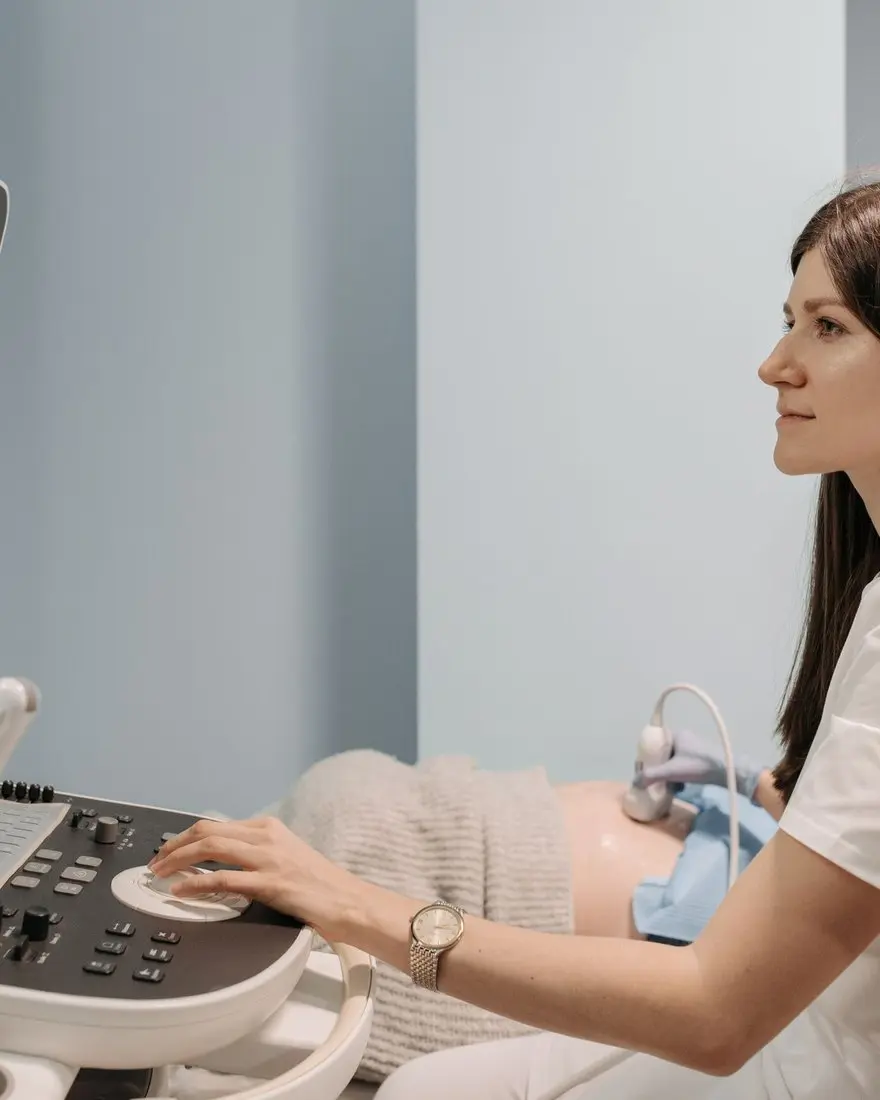
What consistently differs is egg numbers: on average one to two fewer eggs with ovarian disease. Fertilisation and embryo quality are only modestly affected. (New to IVF? Start with how IVF works.)
Is it the egg or the womb? What donor eggs tell us
Egg donation is the clever way to separate the two. In early studies, women with endometriosis who received donor eggs conceived as well as anyone, while eggs from donors with endometriosis implanted less well, pointing at the egg (Simón et al., 1994). Then the story got more nuanced. In 13,600 UK cycles, switching to donor eggs did not improve live birth for women with endometriosis, and registry data show a small, real reduction in live birth among recipients with the disease, about 10% (Paffoni et al., 2024). The synthesis: both contribute. The egg is the larger factor, the lining the smaller one.
And the reassuring part: embryos from women with endometriosis are not more often chromosomally abnormal. In 1,880 tested embryos, abnormality rates matched women of the same age without the disease (Juneau et al., 2017). After transfer of a chromosomally normal embryo, pregnancy, loss and live-birth rates were no different (Bishop et al., 2021).
What helps before IVF, and what we’ve stopped doing
- Freeze-all. Transferring frozen embryos in a later, calmer cycle is linked to about 30% higher live-birth odds in endometriosis (Han et al., 2025). Observational, but widely and reasonably used.
- Don’t remove an endometrioma just for IVF. It didn’t improve live birth and it costs ovarian reserve. ESHRE’s recommendation against it is a strong one.
- Months of “down-regulation” are out. The 2019 Cochrane update found the old evidence very weak and, in the one trial reporting it, live birth was lower (Georgiou et al., 2019). Dienogest pre-treatment fares no better.
- ICSI adds nothing unless there’s a sperm problem. (See IUI, IVF and ICSI explained.)
- Protect egg numbers. Adequate stimulation and, where reserve is low, banking eggs or embryos over more than one cycle. If endometrioma surgery is unavoidable, freezing eggs first is worth discussing.
Clinical note: check for adenomyosis before you decide anything.
Adenomyosis, endometriosis within the muscle wall of the uterus, co-exists with endometriosis far more often than people realise, and it changes the arithmetic. It lowers IVF pregnancy rates by about 30% and roughly doubles miscarriage (Nirgianakis et al., 2021). It also predicts failure of fertility surgery for deep disease. An expert scan or MRI of the uterus belongs in every endometriosis fertility work-up. Where adenomyosis is present, longer down-regulation before a frozen transfer is one of the few settings where that strategy still seems to help.
Endometriosis, implantation and miscarriage risk

Here the new biology and the old statistics finally agree. The womb lining in endometriosis is progesterone-resistant and quietly inflamed, and the pelvic environment is hostile. You would predict more early losses after natural conception, and fewer after IVF, which bypasses the pelvis and places a chosen embryo into a hormonally prepared lining. That is exactly what the data show.
After natural conception, miscarriage is about 1.4 to 1.8 times more likely. In a 2026 Finnish registry following 10,000 women for 26 years, it was 15.6% of pregnancies versus 10.4% (Gurney et al., 2026). Scottish and US cohorts agree.
Counter-intuitively, mild disease is not “safer”: in a Swiss study the miscarriage rate was highest in mild, superficial disease (Kohl Schwartz et al., 2017), which points at inflammation rather than anatomy. Ectopic pregnancy risk roughly doubles, so an early scan to confirm the pregnancy is in the womb is sensible, not paranoid.
After IVF, the extra risk largely disappears. Across 39 studies, miscarriage odds were 1.8 times higher after natural conception but no different after IVF (Huang et al., 2020). Two findings explain why. The embryos are not the problem: when miscarried tissue was tested, chromosomal abnormality rates were the same as in other women, so endometriosis-related losses are mostly of normal embryos, an environment effect (Kong et al., 2025). And after transfer of a chromosomally normal embryo, loss rates were no higher. The remaining risk after IVF sits mainly with women who also have adenomyosis.
Recurrent miscarriage (three or more) is somewhat more common. Endometriosis surgery has never been shown to prevent further losses; the ESHRE recurrent-loss guideline suggests looking for adenomyosis instead. Later in pregnancy, there are small increases in low-lying placenta (roughly 0.5% to 1.5%), preterm birth and caesarean. ESHRE’s view is that these do not justify extra monitoring or discourage pregnancy, but do tell your maternity team.
What does not (yet) have evidence: endometrial receptivity (ERA) testing, which failed its definitive trial; aspirin, heparin or immune therapies, never tested in endometriosis; and progesterone in early pregnancy, which helps only women with bleeding and previous miscarriages (Coomarasamy et al., 2019).
Positive test · endometriosis
What to do in the first weeks
- Book an early scan at 6–7 weeks to confirm the pregnancy is in the womb.
- Tell your midwife you have endometriosis (and adenomyosis, if you know you have it) so the placenta gets a proper look later.
- Stop high-dose supplements such as melatonin 10 mg or resveratrol unless your specialist says otherwise.
- Keep the basics going: food pattern, sleep, movement.
- Don’t add aspirin, heparin or “immune protocols” on your own. There’s no evidence they help, and they aren’t harmless.
Most women with endometriosis who become pregnant have a healthy baby. The risks are relative, not absolute.
Diet, supplements and lifestyle: the short version
No diet, supplement or lifestyle change has been shown to improve your chance of pregnancy with endometriosis (Becker et al., 2022). But safe changes, such as Mediterranean-style eating, movement, sleep and stress care, can ease pain, calm the gut and help you cope while you plan treatment. For every popular tip fact-checked, and what actually helps, read Endometriosis Diet and Lifestyle Tips: What Works and What’s Hype, or grab the free endometriosis cheat sheet. If you’re heading for IVF, our 90-day preparation plan has the practical version. Our evidence-graded guide to supplements for endometriosis is coming next.
Endometriosis and fertility treatment: the options, ranked
Pulling it together for the woman who wants a baby, here is how the endometriosis and fertility options rank, and what each is actually for.
Endometriosis & fertility · what works for what
The toolkit, ranked honestly
- IVF: the most effective treatment, especially with tubal damage, deep disease, low EFI, male factor or age over 35. Freeze-all is a reasonable default.
- Keyhole surgery for mild disease: roughly doubles natural monthly fertility from a low base; then use the EFI to decide how long to keep trying
- Ovarian stimulation + IUI: a reasonable step in mild disease with open tubes and normal sperm
- Egg freezing before endometrioma surgery: worth discussing when surgery is unavoidable
- Endometrioma surgery before IVF: not recommended routinely; operate for pain, size or access
- Hormonal treatment: for pain and to slow progression between attempts; contraceptive; not a fertility treatment
- Prolonged down-regulation before IVF: no longer recommended (adenomyosis is the possible exception)
- Diet, supplements, mind–body: for symptoms and wellbeing; no proven effect on pregnancy rates
Sequence matters more than any single item, and the sequence depends on your age, AMH, subtype and symptoms.
The bottom line
Endometriosis and fertility, in seven lines:
- Endometriosis is a whole-body immune and metabolic condition that shows up in the pelvis. Not “tissue in the wrong place”, and nothing you caused.
- Stage is anatomy, not prognosis. Mild disease can matter as much for fertility and miscarriage as severe disease.
- Natural fertility is roughly halved, mainly under 35, and most women with endometriosis still have children.
- IVF is effective: fewer eggs, slightly lower implantation, comparable live births. Don’t strip an endometrioma or spend months on down-regulation just for IVF.
- Miscarriage and ectopic risk are higher after natural conception and largely normalise after IVF, unless adenomyosis is present. So scan for it.
- Hormonal treatment is a bridge, not a fertility treatment. Lifestyle is scaffolding, not a cure.
- Genuinely new, non-hormonal treatments are in trials for the first time, built on exactly the immune and metabolic science above.
When personalised guidance makes the difference
If you’ve been told “it’s endometriosis, try IVF” without anyone explaining which endometriosis, whether adenomyosis is there too, what your reserve looks like, or whether a few months of trying with the right help is still sensible at your age, you deserve a proper conversation. These are the results that should shape it:
Ask for these · the endometriosis fertility work-up
The tests that change the plan
- Expert transvaginal ultrasound (or MRI): mapping endometriomas, deep nodules and, crucially, adenomyosis
- AMH and antral follicle count: your reserve, the biggest single input into “try, operate or IVF”
- Tubal assessment (HyCoSy or HSG): if natural conception or IUI is on the table
- Semen analysis: a third of couples have a male factor too, and it changes everything
- Endometriosis Fertility Index: if you’ve had or are having surgery, ask for the score
- Ferritin, vitamin D, thyroid (TSH), HbA1c, hs-CRP: the metabolic and inflammatory background worth correcting
- A frank age and timeline conversation: under 35 the disease dominates; over 35, time does
Bring your operation notes and scan reports; the subtype and the EFI live in them.
Endometriosis and not sure what your next step is?
A video consultation with Dr Helena Cepparo goes through your history and results and works out what’s worth doing in your case, with a functional approach. If scans, tests or treatment follow, she arranges them herself in central London. One doctor, from your first question onwards.
Common questions about endometriosis and fertility
+
Real questions from patients, answered directly, without the vagueness.
Can I get pregnant naturally with endometriosis?+
Very often, yes. Endometriosis roughly halves natural fertility, mainly in women under 35, but in a large prospective study 83% of women with endometriosis had a child by 40. Mild disease with open tubes and normal sperm can be given time or helped with stimulation and insemination. More severe disease, low ovarian reserve or age over 35 usually mean IVF sooner is wiser.
Does endometriosis lower IVF success rates?+
A little, not a lot. Women with endometriosis produce fewer eggs and implantation per embryo is somewhat lower, mainly in stage III/IV disease, but pooled live-birth rates are close to those of other diagnoses. In a Swedish cohort, cumulative live birth over three cycles was 53% versus 69%. Freeze-all and protecting egg numbers help; endometrioma surgery and months of down-regulation before IVF do not.
Does endometriosis increase the risk of miscarriage?+
After natural conception, yes: about 1.4 to 1.8 times the background rate, roughly 15% of pregnancies versus 10%, with the highest rates in mild disease. After IVF the extra risk largely disappears, particularly after transfer of a chromosomally normal embryo, because the embryos themselves are not more often abnormal. Adenomyosis is the exception: it roughly doubles miscarriage risk even after IVF.
Should I have surgery before IVF?+
Usually not for the sake of IVF. Removing an endometrioma before IVF does not improve live birth and lowers ovarian reserve, so guidelines recommend against it routinely. Surgery is reserved for pain, very large cysts, diagnostic doubt or cysts that block access to follicles. If surgery is unavoidable, ask about egg freezing first and about drainage and ablation rather than stripping.
Should I take hormonal treatment before trying to conceive?+
Not to improve fertility. The pill, progestogens such as dienogest and GnRH analogues control pain and slow progression but do not increase spontaneous pregnancy rates, and there is no “washout” benefit. Prolonged GnRH-agonist treatment before IVF is no longer recommended either. Hormonal treatment is a bridge between attempts, not a fertility treatment.
Is endometriosis an autoimmune disease?+
No. It is immune-dysregulated: natural killer cells fail to clear stray cells, macrophages feed the lesions, and the pelvic fluid is inflammatory. But there is no causal antibody and it does not respond to immunosuppression. Women with endometriosis are modestly more likely to be diagnosed with autoimmune conditions such as lupus, rheumatoid arthritis, Sjögren’s or coeliac disease, so new joint, dryness, thyroid or gut symptoms deserve proper investigation.
Can diet or supplements treat endometriosis or improve my chances?+
No diet or supplement has been shown in a randomised trial to improve pregnancy or live birth in endometriosis, and both ESHRE and NICE say so. Safe changes can still ease pain and bloating: see our guide to endometriosis diet and lifestyle tips. A full supplements guide is coming next.
How is endometriosis diagnosed now?+
By expert transvaginal ultrasound or MRI first; laparoscopy is no longer the diagnostic gold standard and is reserved for negative imaging or treatment failure. A normal scan does not rule out superficial disease. A saliva test validated in 2025 is being trialled in NHS primary care but is not yet routine. Diagnosis still takes over nine years on average in the UK, so push if your symptoms are dismissed.
References & Scientific Sources
+
87 sources, with links to the original papers.
- World Health Organization. Endometriosis — fact sheet. Updated 15 October 2025. who.int
- Zondervan KT, Becker CM, Missmer SA. Endometriosis. New England Journal of Medicine. 2020;382(13):1244–1256. doi:10.1056/NEJMra1810764
- Taylor HS, Kotlyar AM, Flores VA. Endometriosis is a chronic systemic disease: clinical challenges and novel innovations. The Lancet. 2021;397(10276):839–852. doi:10.1016/S0140-6736(21)00389-5
- Saunders PTK, Horne AW. Endometriosis: etiology, pathobiology, and therapeutic prospects. Cell. 2021;184(11):2807–2824. doi:10.1016/j.cell.2021.04.041
- Horne AW, Missmer SA. Pathophysiology, diagnosis, and management of endometriosis. BMJ. 2022;379:e070750. doi:10.1136/bmj-2022-070750
- Sampson JA. Peritoneal endometriosis due to the menstrual dissemination of endometrial tissue into the peritoneal cavity. American Journal of Obstetrics and Gynecology. 1927;14(4):422–469. doi:10.1016/S0002-9378(15)30003-X
- Halme J, Hammond MG, Hulka JF, Raj SG, Talbert LM. Retrograde menstruation in healthy women and in patients with endometriosis. Obstetrics & Gynecology. 1984;64(2):151–154. PubMed 6234483
- Viganò P, Caprara F, Giola F, et al. Is retrograde menstruation a universal, recurrent, physiological phenomenon? A systematic review of the evidence in humans and non-human primates. Human Reproduction Open. 2024;2024(3):hoae045. doi:10.1093/hropen/hoae045
- Saha R, Pettersson HJ, Svedberg P, et al. Heritability of endometriosis. Fertility and Sterility. 2015;104(4):947–952. doi:10.1016/j.fertnstert.2015.06.035
- Rahmioglu N, Mortlock S, Ghiasi M, et al. The genetic basis of endometriosis and comorbidity with other pain and inflammatory conditions. Nature Genetics. 2023;55(3):423–436. doi:10.1038/s41588-023-01323-z
- Koller D, He J, Løkhammer S, et al. Multi-ancestry genome-wide association and integrated multi-omics analyses of endometriosis and its clinical manifestations. Nature Genetics. 2026;58(5):1051–1061. doi:10.1038/s41588-026-02582-2
- Anglesio MS, Papadopoulos N, Ayhan A, et al. Cancer-associated mutations in endometriosis without cancer. New England Journal of Medicine. 2017;376(19):1835–1848. doi:10.1056/NEJMoa1614814
- Becker CM, Bokor A, Heikinheimo O, et al; ESHRE Endometriosis Guideline Group. ESHRE guideline: endometriosis. Human Reproduction Open. 2022;2022(2):hoac009. doi:10.1093/hropen/hoac009
- National Institute for Health and Care Excellence. Endometriosis: diagnosis and management. NICE guideline NG73. 2017, updated November 2024. nice.org.uk/guidance/ng73
- De Corte P, Klinghardt M, von Stockum S, et al. Time to diagnose endometriosis: current status, challenges and regional characteristics — a systematic literature review. BJOG. 2025;132(2):118–130. doi:10.1111/1471-0528.17973
- Endometriosis UK. The State of Endometriosis Care in the UK: a roadmap for driving down diagnosis times and improving access to care. March 2026. endometriosis-uk.org
- Bendifallah S, Roman H, Suisse S, et al. Validation of a saliva micro-RNA signature for endometriosis. NEJM Evidence. 2025;4(11):EVIDoa2400195. doi:10.1056/EVIDoa2400195
- Vercellini P, Fedele L, Aimi G, Pietropaolo G, Consonni D, Crosignani PG. Association between endometriosis stage, lesion type, patient characteristics and severity of pelvic pain symptoms: a multivariate analysis of over 1000 patients. Human Reproduction. 2007;22(1):266–271. doi:10.1093/humrep/del339
- Greaves E, Temp J, Esnal-Zufiurre A, Mechsner S, Horne AW, Saunders PTK. Estradiol is a critical mediator of macrophage-nerve cross talk in peritoneal endometriosis. American Journal of Pathology. 2015;185(8):2286–2297. doi:10.1016/j.ajpath.2015.04.012
- Forster R, Sarginson A, Velichkova A, et al. Macrophage-derived insulin-like growth factor-1 is a key neurotrophic and nerve-sensitizing factor in pain associated with endometriosis. FASEB Journal. 2019;33(10):11210–11222. doi:10.1096/fj.201900797R
- Hogg C, Panir K, Dhami P, et al. Macrophages inhibit and enhance endometriosis depending on their origin. Proceedings of the National Academy of Sciences. 2021;118(6):e2013776118. doi:10.1073/pnas.2013776118
- Henlon Y, Panir K, McIntyre I, et al. Single-cell analysis identifies distinct macrophage phenotypes associated with prodisease and proresolving functions in the endometriotic niche. Proceedings of the National Academy of Sciences. 2024;121(38):e2405474121. doi:10.1073/pnas.2405474121
- Reis JL, Rosa NN, Ângelo-Dias M, Martins C, Borrego LM, Lima J. Natural killer cell receptors and endometriosis: a systematic review. International Journal of Molecular Sciences. 2022;24(1):331. doi:10.3390/ijms24010331
- Adamyan L, Pivazyan L, Kurbatova K, Barsegyan S, Mailova K, Stepanian A. Alterations in cellular immunity in patients with endometriosis: systematic review and meta-analysis. American Journal of Reproductive Immunology. 2026;96(2):e70296. doi:10.1111/aji.70296
- Shigesi N, Kvaskoff M, Kirtley S, et al. The association between endometriosis and autoimmune diseases: a systematic review and meta-analysis. Human Reproduction Update. 2019;25(4):486–503. doi:10.1093/humupd/dmz014
- Aziz M, Beaton MA, Aziz MA, Opoku-Anane J, Elhadad N. Endometriosis and autoimmunity: a large-scale case-control study of endometriosis and 10 distinct autoimmune diseases. npj Women’s Health. 2025;3(1):36. doi:10.1038/s44294-025-00086-8
- Young VJ, Brown JK, Maybin J, Saunders PTK, Duncan WC, Horne AW. Transforming growth factor-β induced Warburg-like metabolic reprogramming may underpin the development of peritoneal endometriosis. Journal of Clinical Endocrinology & Metabolism. 2014;99(9):3450–3459. doi:10.1210/jc.2014-1026
- Horne AW, Ahmad SF, Carter R, et al. Repurposing dichloroacetate for the treatment of women with endometriosis. Proceedings of the National Academy of Sciences. 2019;116(51):25389–25391. doi:10.1073/pnas.1916144116
- Whitaker LHR, Williams LJ, Koscielniak M, et al. Dichloroacetate for the treatment of endometriosis-associated pain (EPiC1): a single-arm feasibility study. The Lancet Obstetrics, Gynaecology & Women’s Health. 2025;1(3):e189–e197. doi:10.1016/j.lanogw.2025.100028
- Yamaguchi K, Mandai M, Toyokuni S, et al. Contents of endometriotic cysts, especially the high concentration of free iron, are a possible cause of carcinogenesis in the cysts through the iron-induced persistent oxidative stress. Clinical Cancer Research. 2008;14(1):32–40. doi:10.1158/1078-0432.CCR-07-1614
- Ni Z, Li Y, Song D, et al. Iron-overloaded follicular fluid increases the risk of endometriosis-related infertility by triggering granulosa cell ferroptosis and oocyte dysmaturity. Cell Death & Disease. 2022;13(7):579. doi:10.1038/s41419-022-05037-8
- Bulun SE, Yilmaz BD, Sison C, et al. Endometriosis. Endocrine Reviews. 2019;40(4):1048–1079. doi:10.1210/er.2018-00242
- Lessey BA, Kim JJ. Endometrial receptivity in the eutopic endometrium of women with endometriosis: it is affected, and let me show you why. Fertility and Sterility. 2017;108(1):19–27. doi:10.1016/j.fertnstert.2017.05.031
- Shah DK, Correia KF, Vitonis AF, Missmer SA. Body size and endometriosis: results from 20 years of follow-up within the Nurses’ Health Study II prospective cohort. Human Reproduction. 2013;28(7):1783–1792. doi:10.1093/humrep/det120
- Venkatesh SS, Ferreira T, Benonisdottir S, et al. Obesity and risk of female reproductive conditions: a Mendelian randomisation study. PLOS Medicine. 2022;19(2):e1003679. doi:10.1371/journal.pmed.1003679
- Havers-Borgersen E, Hartwell D, Ekelund C, et al. Endometriosis and long-term cardiovascular risk: a nationwide Danish study. European Heart Journal. 2024;45(44):4734–4743. doi:10.1093/eurheartj/ehae563
- Practice Committee of the American Society for Reproductive Medicine. Endometriosis and infertility: a committee opinion. Fertility and Sterility. 2012;98(3):591–598. doi:10.1016/j.fertnstert.2012.05.031
- Prescott J, Farland LV, Tobias DK, et al. A prospective cohort study of endometriosis and subsequent risk of infertility. Human Reproduction. 2016;31(7):1475–1482. doi:10.1093/humrep/dew085
- Marcoux S, Maheux R, Bérubé S; Canadian Collaborative Group on Endometriosis. Laparoscopic surgery in infertile women with minimal or mild endometriosis. New England Journal of Medicine. 1997;337(4):217–222. doi:10.1056/NEJM199707243370401
- Bafort C, Beebeejaun Y, Tomassetti C, Bosteels J, Duffy JMN. Laparoscopic surgery for endometriosis. Cochrane Database of Systematic Reviews. 2020;10:CD011031. doi:10.1002/14651858.CD011031.pub3
- Adamson GD, Pasta DJ. Endometriosis fertility index: the new, validated endometriosis staging system. Fertility and Sterility. 2010;94(5):1609–1615. doi:10.1016/j.fertnstert.2009.09.035
- Vesali S, Razavi M, Rezaeinejad M, Maleki-Hajiagha A, Maroufizadeh S, Sepidarkish M. Endometriosis fertility index for predicting non-assisted reproductive technology pregnancy after endometriosis surgery: a systematic review and meta-analysis. BJOG. 2020;127(7):800–809. doi:10.1111/1471-0528.16107
- Muzii L, Di Tucci C, Di Feliciantonio M, et al. Antimüllerian hormone is reduced in the presence of ovarian endometriomas: a systematic review and meta-analysis. Fertility and Sterility. 2018;110(5):932–940.e1. doi:10.1016/j.fertnstert.2018.06.025
- Kasapoglu I, Ata B, Uyaniklar O, et al. Endometrioma-related reduction in ovarian reserve (ERROR): a prospective longitudinal study. Fertility and Sterility. 2018;110(1):122–127. doi:10.1016/j.fertnstert.2018.03.015
- Raffi F, Metwally M, Amer S. The impact of excision of ovarian endometrioma on ovarian reserve: a systematic review and meta-analysis. Journal of Clinical Endocrinology & Metabolism. 2012;97(9):3146–3154. doi:10.1210/jc.2012-1558
- Hughes E, Brown J, Collins JJ, Farquhar C, Fedorkow DM, Vandekerckhove P. Ovulation suppression for endometriosis. Cochrane Database of Systematic Reviews. 2007;(3):CD000155. doi:10.1002/14651858.CD000155.pub2
- Tummon IS, Asher LJ, Martin JS, Tulandi T. Randomized controlled trial of superovulation and insemination for infertility associated with minimal or mild endometriosis. Fertility and Sterility. 1997;68(1):8–12. doi:10.1016/s0015-0282(97)81467-7
- Barnhart K, Dunsmoor-Su R, Coutifaris C. Effect of endometriosis on in vitro fertilization. Fertility and Sterility. 2002;77(6):1148–1155. doi:10.1016/s0015-0282(02)03112-6
- Harb HM, Gallos ID, Chu J, Harb M, Coomarasamy A. The effect of endometriosis on in vitro fertilisation outcome: a systematic review and meta-analysis. BJOG. 2013;120(11):1308–1320. doi:10.1111/1471-0528.12366
- Mappa I, Page ZP, Di Mascio D, et al. The effect of endometriosis on in vitro fertilization outcomes: a systematic review and meta-analysis. Healthcare. 2024;12(23):2435. doi:10.3390/healthcare12232435
- Senapati S, Sammel MD, Morse C, Barnhart KT. Impact of endometriosis on in vitro fertilization outcomes: an evaluation of the Society for Assisted Reproductive Technologies Database. Fertility and Sterility. 2016;106(1):164–171.e1. doi:10.1016/j.fertnstert.2016.03.037
- Alson S, Stenqvist A, Sladkevicius P. Cumulative live birth rates under three consecutive IVF/ICSI treatment cycles are reduced in women with endometriosis and/or adenomyosis diagnosed by ultrasonography. Human Reproduction. 2025;40(12):2332–2341. doi:10.1093/humrep/deaf184
- Horton J, Sterrenburg M, Lane S, Maheshwari A, Li TC, Cheong Y. Reproductive, obstetric, and perinatal outcomes of women with adenomyosis and endometriosis: a systematic review and meta-analysis. Human Reproduction Update. 2019;25(5):592–632. doi:10.1093/humupd/dmz012
- Simón C, Gutiérrez A, Vidal A, et al. Outcome of patients with endometriosis in assisted reproduction: results from in-vitro fertilization and oocyte donation. Human Reproduction. 1994;9(4):725–729. doi:10.1093/oxfordjournals.humrep.a138578
- Kamath MS, Subramanian V, Antonisamy B, Sunkara SK. Endometriosis and oocyte quality: an analysis of 13 614 donor oocyte recipient and autologous IVF cycles. Human Reproduction Open. 2022;2022(3):hoac025. doi:10.1093/hropen/hoac025
- Paffoni A, Casalechi M, De Ziegler D, et al. Live birth after oocyte donation in vitro fertilization cycles in women with endometriosis: a systematic review and meta-analysis. JAMA Network Open. 2024;7(1):e2354249. doi:10.1001/jamanetworkopen.2023.54249
- Juneau C, Kraus E, Werner M, et al. Patients with endometriosis have aneuploidy rates equivalent to their age-matched peers in the in vitro fertilization population. Fertility and Sterility. 2017;108(2):284–288. doi:10.1016/j.fertnstert.2017.05.038
- Bishop LA, Gunn J, Jahandideh S, Devine K, Decherney AH, Hill MJ. Endometriosis does not impact live-birth rates in frozen embryo transfers of euploid blastocysts. Fertility and Sterility. 2021;115(2):416–422. doi:10.1016/j.fertnstert.2020.07.050
- Han Y, Liu C, Liu D, Wu L, Huang W. Pregnancy outcomes in freeze-all versus fresh embryo transfer cycles of women with adenomyosis and endometriosis: a systemic review and meta-analysis. Frontiers in Endocrinology. 2025;16:1507252. doi:10.3389/fendo.2025.1507252
- Hamdan M, Dunselman G, Li TC, Cheong Y. The impact of endometrioma on IVF/ICSI outcomes: a systematic review and meta-analysis. Human Reproduction Update. 2015;21(6):809–825. doi:10.1093/humupd/dmv035
- Georgiou EX, Melo P, Baker PE, et al. Long-term GnRH agonist therapy before in vitro fertilisation (IVF) for improving fertility outcomes in women with endometriosis. Cochrane Database of Systematic Reviews. 2019;11:CD013240. doi:10.1002/14651858.CD013240.pub2
- Cobo A, Giles J, Paolelli S, Pellicer A, Remohí J, García-Velasco JA. Oocyte vitrification for fertility preservation in women with endometriosis: an observational study. Fertility and Sterility. 2020;113(4):836–844. doi:10.1016/j.fertnstert.2019.11.017
- Nirgianakis K, Kalaitzopoulos DR, Schwartz ASK, et al. Fertility, pregnancy and neonatal outcomes of patients with adenomyosis: a systematic review and meta-analysis. Reproductive BioMedicine Online. 2021;42(1):185–206. doi:10.1016/j.rbmo.2020.09.023
- Bourdon M, Mimouni A, Maignien C, et al. Reduced live birth rates following ART in adenomyosis patients: a matched control study. Human Reproduction. 2025;40(5):855–864. doi:10.1093/humrep/deaf052
- Saraswat L, Ayansina DT, Cooper KG, et al. Pregnancy outcomes in women with endometriosis: a national record linkage study. BJOG. 2017;124(3):444–452. doi:10.1111/1471-0528.13920
- Farland LV, Prescott J, Sasamoto N, et al. Endometriosis and risk of adverse pregnancy outcomes. Obstetrics & Gynecology. 2019;134(3):527–536. doi:10.1097/AOG.0000000000003410
- Gurney JM, Tuominen A, Saavalainen J, et al. Endometriosis and early pregnancy outcomes: a registry-based cohort study in Finland. American Journal of Obstetrics and Gynecology. 2026;234(6):1650–1661. doi:10.1016/j.ajog.2026.01.027
- Kohl Schwartz AS, Wölfler MM, Mitter V, et al. Endometriosis, especially mild disease: a risk factor for miscarriages. Fertility and Sterility. 2017;108(5):806–814.e2. doi:10.1016/j.fertnstert.2017.08.025
- Huang Y, Zhao X, Chen Y, Wang J, Zheng W, Cao L. Miscarriage on endometriosis and adenomyosis in women by assisted reproductive technology or with spontaneous conception: a systematic review and meta-analysis. BioMed Research International. 2020;2020:4381346. doi:10.1155/2020/4381346
- Kong H, Fan W, Ye T, Du L. Endometriosis does not impact aneuploidy rates of products of conception in IVF population. Scientific Reports. 2025;15(1):2193. doi:10.1038/s41598-025-86656-x
- Boje AD, Egerup P, Westergaard D, et al. Endometriosis is associated with pregnancy loss: a nationwide historical cohort study. Fertility and Sterility. 2023;119(5):826–835. doi:10.1016/j.fertnstert.2022.12.042
- Breintoft K, Pinnerup R, Henriksen TB, et al. Endometriosis and risk of adverse pregnancy outcome: a systematic review and meta-analysis. Journal of Clinical Medicine. 2021;10(4):667. doi:10.3390/jcm10040667
- Doyle N, Jahandideh S, Hill MJ, Widra EA, Levy M, Devine K. Effect of timing by endometrial receptivity testing vs standard timing of frozen embryo transfer on live birth in patients undergoing in vitro fertilization: a randomized clinical trial. JAMA. 2022;328(21):2117–2125. doi:10.1001/jama.2022.20438
- Coomarasamy A, Devall AJ, Cheed V, et al. A randomized trial of progesterone in women with bleeding in early pregnancy. New England Journal of Medicine. 2019;380(19):1815–1824. doi:10.1056/NEJMoa1813730
- Wen X, Xiong Y, Qu X, et al. The risk of endometriosis after exposure to endocrine-disrupting chemicals: a meta-analysis of 30 epidemiology studies. Gynecological Endocrinology. 2019;35(8):645–650. doi:10.1080/09513590.2019.1590546
- Zhang Y, Liu H, Feng C, Yang Y, Cui L. Prevalence of sleep disturbances in endometriosis patients: a systematic review and meta-analysis. Frontiers in Psychiatry. 2024;15:1405320. doi:10.3389/fpsyt.2024.1405320
- Tomassetti C, Johnson NP, Petrozza J, et al; International Working Group of AAGL, ESGE, ESHRE and WES. An international terminology for endometriosis, 2021. Human Reproduction Open. 2021;2021(4):hoab029. doi:10.1093/hropen/hoab029
- Wei M, Cheng Y, Bu H, Zhao Y, Zhao W. Length of menstrual cycle and risk of endometriosis: a meta-analysis of 11 case-control studies. Medicine (Baltimore). 2016;95(9):e2922. doi:10.1097/MD.0000000000002922
- Lu MY, Niu JL, Liu B. The risk of endometriosis by early menarche is recently increased: a meta-analysis of literature published from 2000 to 2020. Archives of Gynecology and Obstetrics. 2023;307(1):59–69. doi:10.1007/s00404-022-06541-0
- Missmer SA, Hankinson SE, Spiegelman D, et al. Incidence of laparoscopically confirmed endometriosis by demographic, anthropometric, and lifestyle factors. American Journal of Epidemiology. 2004;160(8):784–796. doi:10.1093/aje/kwh275
- Youseflu S, Savabi-Esfahani M, Asghari-Jafarabadi M, Maleki A. The protective effect of breastfeeding and ingesting human breast milk on subsequent risk of endometriosis in mother and child: a systematic review and meta-analysis. Breastfeeding Medicine. 2022;17(10):805–816. doi:10.1089/bfm.2022.0126
- Vercellini P, Eskenazi B, Consonni D, et al. Oral contraceptives and risk of endometriosis: a systematic review and meta-analysis. Human Reproduction Update. 2011;17(2):159–170. doi:10.1093/humupd/dmq042
- Venkatesh SS, Ferreira T, Benonisdottir S, et al. Obesity and risk of female reproductive conditions: a Mendelian randomisation study. PLoS Medicine. 2022;19(2):e1003679. doi:10.1371/journal.pmed.1003679
- Zhang Y, Ma NY. Environmental risk factors for endometriosis: an umbrella review of a meta-analysis of 354 observational studies with over 5 million populations. Frontiers in Medicine. 2021;8:680833. doi:10.3389/fmed.2021.680833
- Dougan MM, Fest S, Cushing-Haugen K, et al. A prospective study of dietary patterns and the incidence of endometriosis diagnosis. American Journal of Obstetrics and Gynecology. 2024;231(4):443.e1–443.e10. doi:10.1016/j.ajog.2024.04.030
- Bravi F, Parazzini F, Cipriani S, et al. Tobacco smoking and risk of endometriosis: a systematic review and meta-analysis. BMJ Open. 2014;4(12):e006325. doi:10.1136/bmjopen-2014-006325
- Harris HR, Wieser F, Vitonis AF, et al. Early life abuse and risk of endometriosis. Human Reproduction. 2018;33(9):1657–1668. doi:10.1093/humrep/dey248