
Egg Freezing: Your Questions Answered (With No Fairy Tales)
A consultant’s guide to fertility preservation – without the medical jargon
Egg freezing – or oocyte cryopreservation – is now a mainstream, regulated option in the UK for women who want to preserve some of their fertility for the future.
It’s not magic, and it’s not a guarantee, but it can be a useful part of a long-term plan.
Below we go through the questions we’re most often asked in clinic, using UK data and regulations, in normal human language rather than guideline-speak.
What is egg freezing?
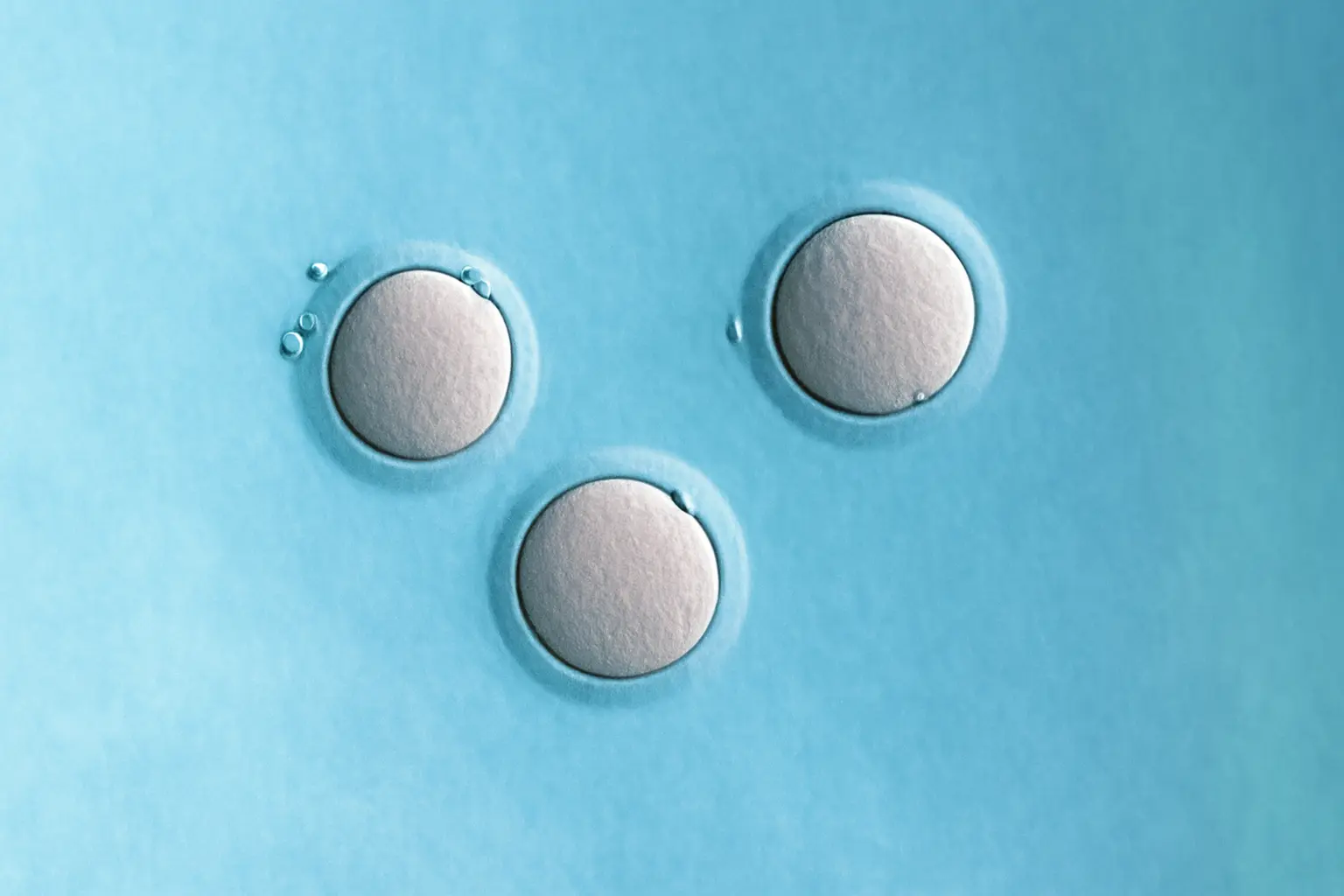
Egg freezing means we collect eggs from your ovaries, freeze them at very low temperatures using a method called vitrification, and store them so they can be used later in IVF.
Modern vitrification has led to survival and pregnancy rates that are broadly comparable to IVF using fresh eggs in good labs, and large safety series show no increase in congenital anomalies in children born from vitrified oocytes compared with standard IVF.
Think of it less as “pressing pause” on fertility and more as “banking some of your younger eggs for later”.
What happens to eggs with age?
You’re born with almost all the eggs you’ll ever have.
Over time:
- The number of eggs falls (ovarian reserve declines)
- The quality of eggs falls (more chromosomal errors, higher miscarriage rates, lower chance of live birth)
This decline is gentle in your 20s, more noticeable through your 30s, and steeper after your late 30s.
Egg freezing can’t reverse biology, but it lets you store eggs from an earlier age, when more of them are likely to be chromosomally normal, and more can be collected.
That improves your options later compared with starting from scratch at 40 with no frozen eggs – but it’s still not a guarantee.
| 20th week of gestation | ~6–7 million oocytes |
| At birth | ~1–2 million oocytes |
| At puberty | ~300,000–500,000 oocytes |
| Late-30s (≈37–39) | ~25,000 Chance of at least 1 euploid embryo per IVF cycle: – At 35 years: ≈85% – At 40 years: ≈75% – At 44 years: ≈45%. |
| Near menopause | ~1,000 oocytes Chance of at least 1 euploid embryo per IVF cycle: – Age ≥45: ~0-3% of cycles |
Will collecting and freezing eggs affect my ovaries and the number of eggs I have?
This is one of the most common worries we hear, and the answer is reassuring: no, egg freezing does not reduce your overall egg supply or bring on early menopause.
Here’s why: In a natural menstrual cycle, your ovaries recruit a group of follicles (typically 10-20) each month. Your body then selects just one “dominant” follicle to ovulate, while letting all the others die off and be reabsorbed. This happens every single month, whether you’re trying to conceive or not.
During ovarian stimulation for egg freezing, we’re simply rescuing eggs that would have been lost anyway that month. The hormone injections prevent those “backup” follicles from dying, allowing us to collect multiple mature eggs instead of just one.
We’re not taking eggs from your future months or years – we’re just making better use of that month’s cohort.
What about long-term effects?
After the egg freezing cycle is complete:
– Your ovaries return to their normal function within a few weeks
– Your natural ovarian reserve continues to decline at its own predetermined rate
– Your age at menopause is determined by your genetics and overall health, not by having done stimulation cycles
Multiple studies have confirmed that even women who undergo several IVF or egg freezing cycles don’t experience earlier menopause compared to women who never had treatment.
The temporary effects you might notice:
– Your ovaries will be enlarged for 1-2 weeks after egg collection (which is why we advise avoiding high-impact exercise during this time)
– Your next period might be slightly early, late, or heavier than usual
– Within 4-6 weeks, everything typically returns to your baseline
Bottom line: The stimulation medications work with your body’s natural monthly cycle, not against your long-term fertility.
Is egg freezing safe? What are the risks?
 The HFEA describes egg freezing as “mostly very safe”, but not risk-free.
Short-term risks include:
– Side-effects of hormones – bloating, mood changes, breast tenderness, headaches
– Discomfort after egg collection – cramping, spotting, feeling “bruised” inside
– Ovarian hyperstimulation syndrome (OHSS) – an exaggerated response to stimulation. This is the main serious risk; severe cases are rare but can be dangerous, which is why clinics monitor you closely and adjust drug doses.
– Very rare complications from the procedure, such as bleeding or infection
Most cycles pass with only mild side-effects, but you should be given written information about OHSS and emergency contact numbers.
Does egg freezing or IVF increase my risk of cancer?
This is understandably a big fear. Overall, current evidence is reassuring but not perfect:
– Large meta-analyses and cohort studies have not found a clear increase in breast cancer risk in women having controlled ovarian stimulation for IVF, including in BRCA1/2 carriers.
– For ovarian cancer, most studies also do not show a large increase, though a recent umbrella review suggests a small possible increased risk of borderline ovarian tumours in some groups, and the data are still evolving.
In short: for the average woman, a limited number of egg freezing/IVF cycles does not appear to substantially raise cancer risk, but we can’t say “zero risk forever”. If you have a strong personal or family history (e.g. BRCA), the discussion sill be individualised with an oncology/genetics team.
Thinking about egg freezing and not sure what applies to you?
A video consultation with Dr Helena Cepparo goes through your history and results and works out what’s worth doing in your case, with a functional approach. If scans, tests or treatment follow, she arranges them herself in central London. One doctor, from your first question onwards.
What tests are needed before I freeze my eggs?
Before a UK clinic can start treatment, there are two main groups of checks.
1. Fertility tests
These are standard clinical practice:
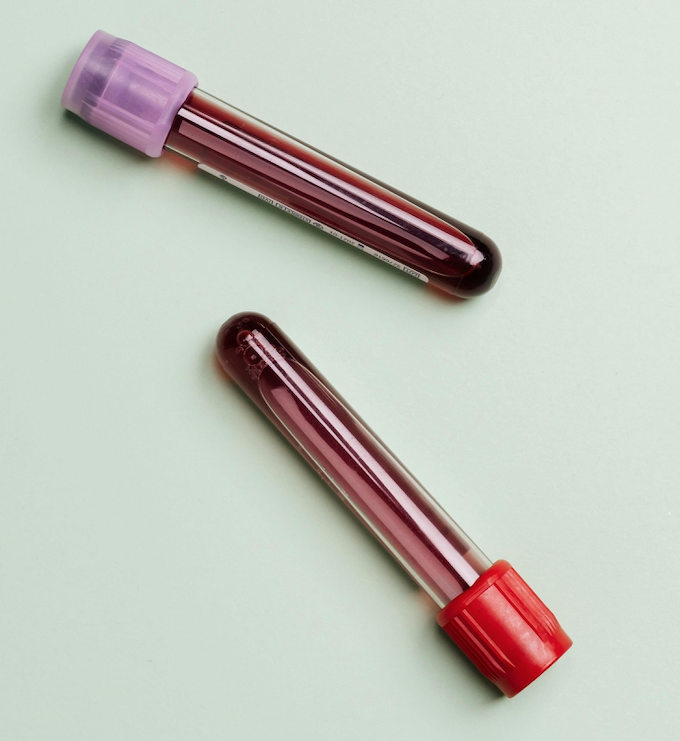
– AMH blood test – to estimate ovarian reserve and plan drug doses
– Transvaginal ultrasound – to count small follicles (AFC) and assess uterus and ovaries
They don’t predict the future perfectly, but they help us estimate how many eggs we might retrieve and whether egg freezing makes sense for you.
2. Mandatory infectious disease screening
UK law and HFEA guidance require screening before treatment and storage. Typically:
– HIV
– Hepatitis B
– Hepatitis C
Depending on your history, you may also have thyroid, prolactin, or other blood tests, but those are clinical decisions rather than legal requirements.
How does an egg freezing cycle actually work?
An egg freezing cycle is basically the first half of an IVF cycle.
– Planning – consultation, tests, sometimes a short course of the pill or other prep to time things.
– Ovarian stimulation (about 10–14 days) – daily hormone injections to grow multiple follicles instead of just one
– Monitoring – usually 3–5 vaginal scans (plus/or bloods) to check follicle growth and tweak doses
– Trigger injection – a precisely timed shot to mature the eggs, ~36 hours before collection
– Egg collection – a day-case procedure done under sedation or light anaesthetic. A fine needle is passed through the vaginal wall under ultrasound guidance to aspirate the follicles. It usually takes 15–30 minutes, and you go home the same day
– In the lab – the embryologist checks which eggs are mature; only those are vitrified and stored

How long does a cycle take, and how tied up will I be?
From first injection to egg collection is usually around 2 weeks of active treatment.
During that time:
– You’ll come to the clinic for scans/blood tests several times (often early morning)
– You’ll do injections at home at roughly the same time each day
– You’ll need the egg collection day off and a bit of flexibility around the date
You’re not house-arrested, but it’s sensible to avoid major immovable events or long-haul travel in the middle of the cycle.
Can I work, exercise, drink alcohol or have sex during an egg freezing cycle?
General (non-personalised) guidance:
– Work – most people continue working as normal, perhaps with slightly lighter days around collection
– Exercise – gentle to moderate exercise is usually fine. High-impact or intense workouts, especially later in stimulation when ovaries are enlarged, are best avoided because of the small risk of ovarian torsion
– Sex – it’s usually safe, but because you may have many follicles, sex can be uncomfortable and there is a theoretical risk of pain/torsion. Some clinics advise barrier contraception during stimulation
– Alcohol – small amounts are unlikely to derail the cycle, but heavy drinking is not advisable; you’re investing in expensive, delicate biology
Your clinic will give tailored advice; if in doubt, ask.

How will I feel emotionally? Can someone come with me?
Hormones + expectations + money = feelings.
It’s very common to experience:
– Mood swings and anxiety about scan results
– Worry about “getting enough eggs”
– A crash after the cycle, especially if the numbers are lower than hoped
Most UK clinics are happy for a partner or friend to accompany you on the day of egg collection and require that someone takes you home after sedation.
If you’re already struggling with anxiety or low mood, it’s worth mentioning this so we can signpost counselling or support.
For how long can my eggs stay frozen in the UK?
Under current UK law, you can store eggs, sperm or embryos for your own treatment for up to 55 years, as long as you renew your consent every 10 years.
There’s no evidence that long-term storage itself damages eggs; what matters is how old you were when they were frozen, not whether they’ve sat in liquid nitrogen for 5 or 25 years.
Do keep your contact details updated – if the clinic can’t reach you to renew consent, the law requires them to remove material from storage once consent expires.
Are all the eggs collected going to be stored?
No. That’s deliberate.
– Some eggs are immature and can’t realistically be used.
– Some may look abnormal
– Only the mature, suitable eggs are frozen
So you may hear: “We collected 18 eggs, 14 were mature, 12 were frozen.” That’s entirely normal.

Can I move my frozen eggs to another clinic or abroad?
Yes.
– Within the UK, eggs can be transferred between HFEA-licensed clinics in special liquid nitrogen shipping tanks
– You’ll sign new consent forms and pay transfer + ongoing storage fees; the clinics handle the technical side
– International transfers are possible but involve more paperwork, cost and time
If you think you may relocate, it’s worth discussing this up front.
What happens if I don’t use my eggs – or if I die or lose capacity?

This is all covered in the HFEA consent forms you sign:
– You can choose what should happen if you don’t use the eggs by the end of storage – e.g. allow them to be discarded, donated to research, or donated to others for treatment (if the clinic offers this)
– You can state what should happen if you die or lose capacity – whether eggs can still be stored, used by a partner, or must be discarded
If you freeze eggs as a single woman, they remain legally yours. If you later create embryos with a partner, the consent rules are more complex; both of you must maintain consent for embryos to be used.
Is one cycle going to be enough? How many eggs do I need?
This is the million-pound question, and the honest answer is: it depends mainly on your age and biology.
But let’s talk actual numbers, not vague reassurances.
What the latest 2025 research shows:
A major study just published in Fertility and Sterility in 2025 analysed 1,041 thaw cycles from 986 patients and provides the most precise guidance to date.
The researchers looked at how many mature eggs (MII oocytes) you need to bank to achieve at least three euploid (chromosomally normal) blastocysts – which previous research shows gives you a 93% chance of having a child.
| Here are the actual numbers by age at time of freezing: | ||
|---|---|---|
| Your age when freezing | Mature eggs needed for 3 euploid blastocysts | Expected live births per thawed egg |
| Under 35 years | 15 mature eggs | 0.13 (13%) |
| 38 years | 30 mature eggs (double) | ~0.08 (8%) |
| Over 40 years | 45 mature eggs (triple) | 0.04 (4%) |
What this means in practice:
– If you’re under 35 and freeze 15 mature eggs in one cycle, you have a realistic shot at the 93% success threshold
– If you’re 38 or older, you’ll likely need 2–3 cycles to bank enough eggs for the same probability
– If you’re over 40, you’ll need multiple cycles (typically 3–4) to approach similar success rates
 This is why we consistently tell patients: if you’re considering egg freezing, earlier is genuinely better.
Comparing with earlier landmark studies:
The 2016 Doyle et al. study in Fertility and Sterility (which analysed 1,283 vitrified eggs) provided similar age-specific guidance:
– Women under 38: Freezing 15–20 mature eggs offered roughly 70–80% chance of at least one live birth
– Women 38–40: Freezing 25–30 mature eggs offered approximately 65–75% chance of at least one live birth
The 2017 Goldman et al. study in Human Reproduction (modeling 520 cycles) found:
– A woman aged 35 or under with around 10 mature eggs might have about a 69% chance of at least one live birth
– Women freezing in their late 30s or early 40s generally need more eggs and often more than one cycle to approach similar probabilities
The reality check:
These figures come from large datasets and models – they are not guarantees for any individual or any specific clinic. They’re best used as a ballpark when you and your doctor decide how many cycles are worth considering.
The 2024 systematic review in Fertility and Sterility (analysing 27 studies with 13,724 patients) found that only 10.8% of women returned to use their frozen eggs, but of those who did, 28.9% achieved a live birth across all age groups.
Bottom line: Egg freezing tilts the odds in your favour, but the younger you freeze and the more eggs you bank, the better your chances. If you’re 38 or older, be prepared for the likelihood of needing multiple cycles to achieve meaningful success probabilities.
What happens when I come back to use my eggs?
Using frozen eggs usually involves:
– Thawing the eggs in the lab
– Fertilising them with sperm using ICSI (injecting a single sperm into each egg), which is standard with thawed eggs to maximise fertilisation rates
– Growing embryos in culture for a few days
– Transferring one embryo into the uterus in a short, outpatient procedure, and freezing any good-quality extra embryos
You’ll take hormones to prepare the uterine lining, and the rest feels like a standard frozen embryo transfer cycle.
Is egg freezing available on the NHS, or only privately?
In the UK:
– Medical fertility preservation (e.g. before chemotherapy, radiotherapy, some surgeries, or sometimes gender-affirming treatment) may be funded on the NHS, but criteria differ between Integrated Care Boards
– “Social” egg freezing (for age-related or life-circumstance reasons) is usually self-funded, although policies evolve and you should still ask
Even when NHS funding covers the initial cycle, there may be time-limited storage funding and later treatment costs, so it’s worth asking specifically about:
– Cost of stimulation cycle and drugs
– Annual storage fees after any funded period
– Future IVF/ICSI and embryo transfer costs if you use the eggs
Finally… is it worth it, and how do I know if I’m the “right” kind of person to consider it?
Egg freezing is not an insurance policy; it’s a way of tilting the odds in your favour later, with real limitations.
It’s more likely to feel worthwhile if:
– You’re freezing in your early–mid 30s (or younger)
– Your tests suggest you can probably bank a reasonable number of mature eggs
– You can afford the financial, physical and emotional cost
– You’re clear that you may never need or use the eggs – but that having them may reduce pressure and regret
You might not be an ideal candidate if:
– You’re already in your early 40s with a very low ovarian reserve – success rates exist, but they are modest even with multiple cycles
– You have health issues that make stimulation risky
– The strain (financial or emotional) would be overwhelming to you
Some women later regret not freezing; others freeze and never use the eggs but still feel it gave them breathing space.
The decision is deeply personal. A proper consultation with a fertility specialist – with time to think and ask awkward questions – is the best next step.
Still have questions?
If there’s something we haven’t covered that you’d like to see in this guide, or if you’re thinking about egg freezing and want to talk through your specific circumstances, we’re here. Book a video consultation and let’s have a proper conversation about what makes sense for you.

Thinking about egg freezing and not sure what applies to you?
A video consultation with Dr Helena Cepparo goes through your history and results and works out what’s worth doing in your case, with a functional approach. If scans, tests or treatment follow, she arranges them herself in central London. One doctor, from your first question onwards.
References:
- Human Fertilisation & Embryology Authority (HFEA). Egg freezing. Available at: https://www.hfea.gov.uk/treatments/fertility-preservation/egg-freezing/
- HFEA. Should I freeze my eggs? Available at: https://www.hfea.gov.uk/treatments/explore-all-treatments/should-i-freeze-my-eggs/
- HFEA. Risks of fertility treatment. Available at: https://www.hfea.gov.uk/treatments/explore-all-treatments/risks-of-fertility-treatment/
- Goldman RH, Racowsky C, Farland LV, et al. Predicting the likelihood of live birth for elective oocyte cryopreservation: a counseling tool for physicians and patients. Hum Reprod. 2017;32(4):853-859. https://doi.org/10.1093/humrep/dex008
- Doyle JO, Richter KS, Lim J, et al. Successful elective and medically indicated oocyte vitrification and warming for autologous in vitro fertilization, with predicted birth probabilities for fertility preservation according to number of cryopreserved oocytes and age at retrieval. Fertil Steril. 2016;105(2):459-466.e2. https://doi.org/10.1016/j.fertnstert.2015.10.026
- Cascante SD, Jaswa EG, Santoro N, et al. Planned oocyte cryopreservation: the state of the ART. Reprod Biomed Online. 2023;46(4):623-636.
- Porcu E, Ciotti PM, Notarangelo L, et al. Children born from cryopreserved oocytes – safety data and outcomes. Cancers (Basel). 2022;14(3):593. https://doi.org/10.3390/cancers14030593
- Sergentanis TN, Diamantaras AA, Perlepe C, et al. IVF and breast cancer: a systematic review and meta-analysis. Hum Reprod Update. 2014;20(1):106-123. https://doi.org/10.1093/humupd/dmt034
- Williams CL, Jones ME, Swerdlow AJ, et al. Risks of ovarian, breast, and corpus uteri cancer in women after fertility treatment. BMJ. 2018;362:k3259.
- Cambridge University Hospitals NHS Foundation Trust. Egg freezing information. Available at: https://www.cuh.nhs.uk/
- Namath A, Flannagan K, Pirtea P, Toner JP, Devine K. The number of autologous, vitrified mature oocytes needed to obtain three euploid blastocysts increases with age. Fertil Steril. 2025. https://www.sciencedirect.com/science/article/abs/pii/S0015028225002341
- Diego D, Polyzos NP, Humaidan P, Griesinger G. Return rates and pregnancy outcomes after oocyte preservation for planned fertility delay: a systematic review and meta-analysis. Fertil Steril. 2024;122(2):354-365.