Fertility Through the Ages: How the Ancients Tried to Conceive
Fertility has always been at the heart of human life and culture, influencing societies across the globe. In ancient times, fertility was not only a personal concern but a societal one. People relied on a mix of remedies, rituals, and beliefs to enhance their reproductive capabilities.
Ancient Remedies: Herbs and Potions
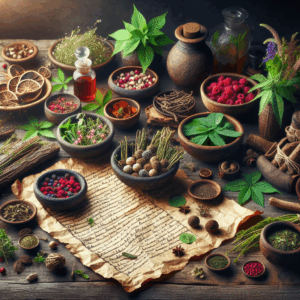
Fertility ancient remedies often involved the use of herbs known for their supposed reproductive benefits. The ancient Egyptians, for instance, used honey and dates to create concoctions believed to enhance fertility[1]. These ingredients were considered symbols of fertility due to their sweetness and high nutrient content.
The Greeks and Romans had their own fertility remedies, including the consumption of pomegranate seeds, which were associated with the goddess Demeter, a symbol of fertility and agriculture. Scientific analyses have shown that pomegranates contain phytoestrogens, which might have influenced reproductive health[2].
Moreover, Chinese traditional medicine emphasised balance within the body for optimal reproductive health. Herbs such as Dong Quai and Ginseng were commonly used to regulate menstrual cycles and improve fertility[3]. These practices have persisted through the centuries and are still in use today.
Rituals and Symbolic Acts
Rituals played a significant role in ancient conceptions of fertility. In many cultures, fertility rituals involved invoking deities believed to control reproduction and childbirth. The Aztecs, for example, worshipped Xochiquetzal, the goddess of fertility, through dances and offerings, believing these acts would bless them with offspring.
In Ancient Rome, the festival of Lupercalia was an essential fertility event. Participants engaged in ritual purification and the sacrifice of goats and dogs, seeking abundance and fertility for the coming year[4]. Such rituals often involved community participation, reinforcing societal bonds and shared beliefs in the supernatural.
Fertility and Societal Beliefs
Different societies held diverse beliefs regarding fertility, often linking it with health, prosperity, and continuity of life. Fertility was deeply intertwined with agricultural cycles. The concept of ‘as above, so below’ suggested that a fertile land would lead to a fertile womb. This belief was prevalent in agrarian societies, where successful harvests were thought to ensure successful childbirths.
Ancient texts, such as the Rigveda, depict fertility as a divine blessing, emphasizing the sacred nature of conception and childbirth[5]. Such texts reflect the reverence with which fertility was regarded, and the lengths to which people went to ensure divine favor.
Curiosities
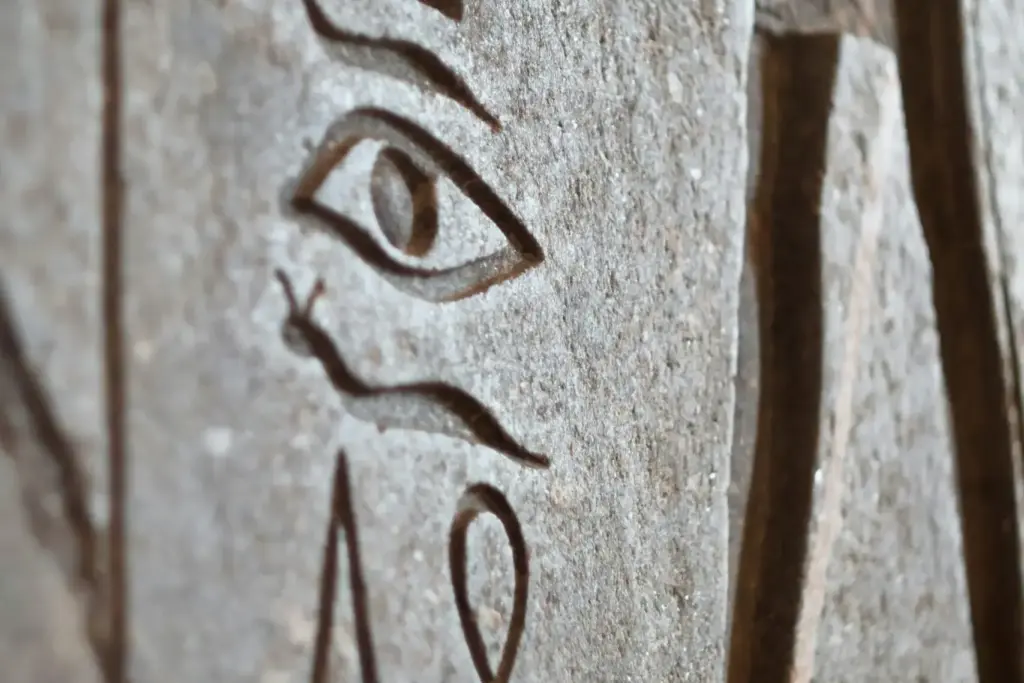
Fertility Tests of the Ancients: The ancient Egyptians developed several methods to assess a woman’s fertility, many of which were documented in medical papyri such as the Kahun Gynecological Papyrus (circa 1800 BCE). One notable method involved placing a clove of garlic or an onion in the woman’s vagina overnight. If her breath smelled of the substance the next morning, it was believed that her reproductive tract was open and that she was fertile. This idea was based on the mistaken belief that the uterus was connected to the respiratory system. Other substances, such as dates or beer, were also used in similar tests. While these practices lacked any scientific foundation, they highlight the early and often imaginative attempts by ancient civilisations to understand and manage reproductive health.
Lunar Cycles: Many ancient cultures associated a woman’s menstrual cycle with the phases of the moon, noting the similar length between the lunar cycle (about 29.5
days) and the average menstrual cycle. This connection led to symbolic links between moon phases, fertility, and conception. While there is no conclusive scientific evidence that the moon directly influences menstruation or ovulation, some studies and anecdotal observations suggest that natural light exposure may have subtly affected hormonal rhythms in pre-industrial societies. Interestingly, this belief persists even in modern times — in many delivery units, it’s still common to hear obstetricians and midwives say that a full moon means a busy night ahead (which by the way this IS a myth!).Tried the old remedies and not sure what actually applies to you?
A video consultation with Dr Helena Cepparo goes through your history and results and works out what’s worth doing in your case, with a functional approach. If scans, tests or treatment follow, she arranges them herself in central London. One doctor, from your first question onwards.
Magic and Medicine: Amulets were common in ancient cultures, worn to invoke fertility gods and ward off infertility-related issues. These were often made from items like stones or metals, believed to hold mystical powers. For example, in ancient Egypt, women wore amulets shaped like the goddess Taweret, a protective deity of childbirth and fertility depicted as a pregnant hippopotamus. These amulets were believed to safeguard pregnancies and ensure safe deliveries, reflecting the deep spiritual significance placed on fertility and reproduction in ancient societies.
Conclusion
Exploring fertility through the ages reveals a fascinating intersection of culture, belief, and medicine. While today’s understanding of reproduction is rooted in scientific research, ancient remedies and rituals offer insight into the historical significance of fertility. These practices reflect humanity’s unending desire to harness the mysteries of reproduction for personal and societal continuation.
References
Attard, N. (2016). Ancient Egyptian Medicine Part I – Fertility and Childbirth. TheSynapse Medical Portal.
https://thesynapse.net/ancient-egyptian-medicine-part-i-fertility-and-childbirth/
Bahmani, M., Jalili, F., & Shahsavari, S. (2022). The effect of pomegranate seed oil on human health: A review. Journal of Pharmaceutical Research International, 34(48A), 19–30.
https://pmc.ncbi.nlm.nih.gov/articles/PMC9635601/
Akbaribazm, M., Goodarzi, N., & Rahimi, M. (2021). Female infertility and herbal medicine: An overview of the new findings. Food Science & Nutrition, 9(10), 5869–5882.
https://onlinelibrary.wiley.com/doi/10.1002/fsn3.2523
Rao, R. (2018). Vedic Fertility Rituals and Their Significance (Pumsavana & Seemanthonayana Samskara).
Academia.edu.
Tried the old remedies and not sure what actually applies to you?
A video consultation with Dr Helena Cepparo goes through your history and results and works out what’s worth doing in your case, with a functional approach. If scans, tests or treatment follow, she arranges them herself in central London. One doctor, from your first question onwards.